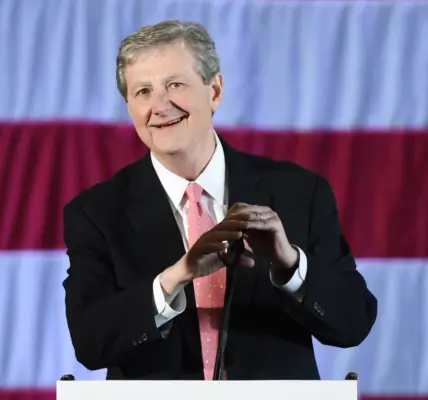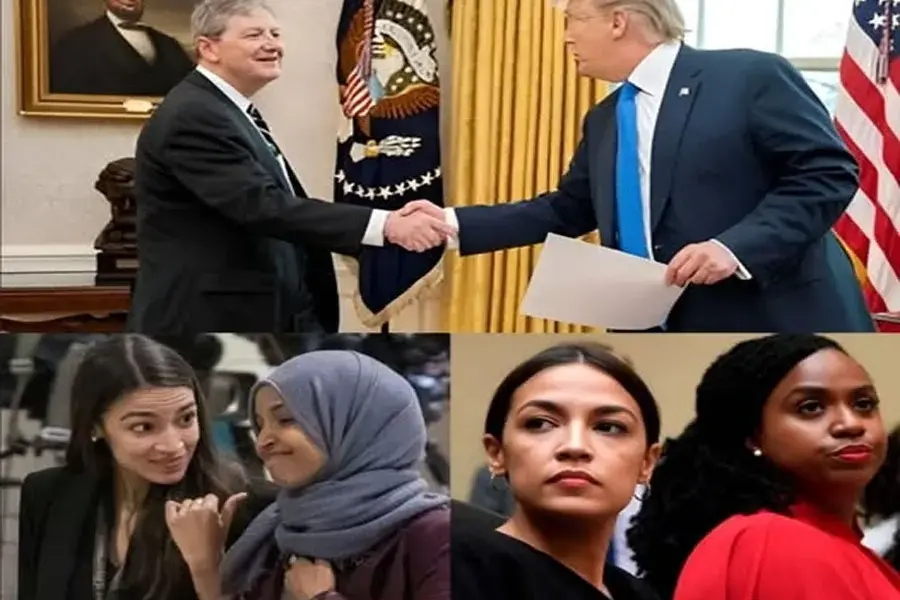

WASHINGTON — A bill introduced by Rep. John Neely Kennedy has triggered a sharp debate on Capitol Hill by proposing new restrictions on who may hold the nation’s highest elected offices, including the presidency and seats in Congress.

The legislation would limit eligibility for those positions to individuals born on U.S. soil, effectively barring naturalized citizens from serving at the highest levels of federal government. If enacted, the measure would mark a significant shift in longstanding interpretations of political eligibility and leadership in the United States.
Supporters of the proposal argue that it would strengthen national sovereignty and reduce the potential for foreign influence in American governance. They frame the bill as a protective measure designed to ensure that those making critical national decisions have deep-rooted ties to the country.
Critics, however, say the legislation undermines core democratic principles and unfairly excludes millions of Americans who obtained citizenship through naturalization. Opponents warn the proposal could create a more exclusive political system, limiting opportunity for individuals who have built their lives in the U.S. and contributed to public service.
Legal scholars also note that the bill could face significant constitutional challenges, as current eligibility rules for federal office are outlined in the Constitution and have historically allowed naturalized citizens to serve in Congress.
While the proposal is unlikely to advance quickly, it has already reignited broader questions about citizenship, representation, and the future definition of American leadership. As debate intensifies, lawmakers on both sides are expected to weigh whether the bill represents a safeguard of national interests or a departure from inclusive democratic norms.
On-Air Clash: Vance Raises $120M Stock Questions and Jan. 6 Allegations
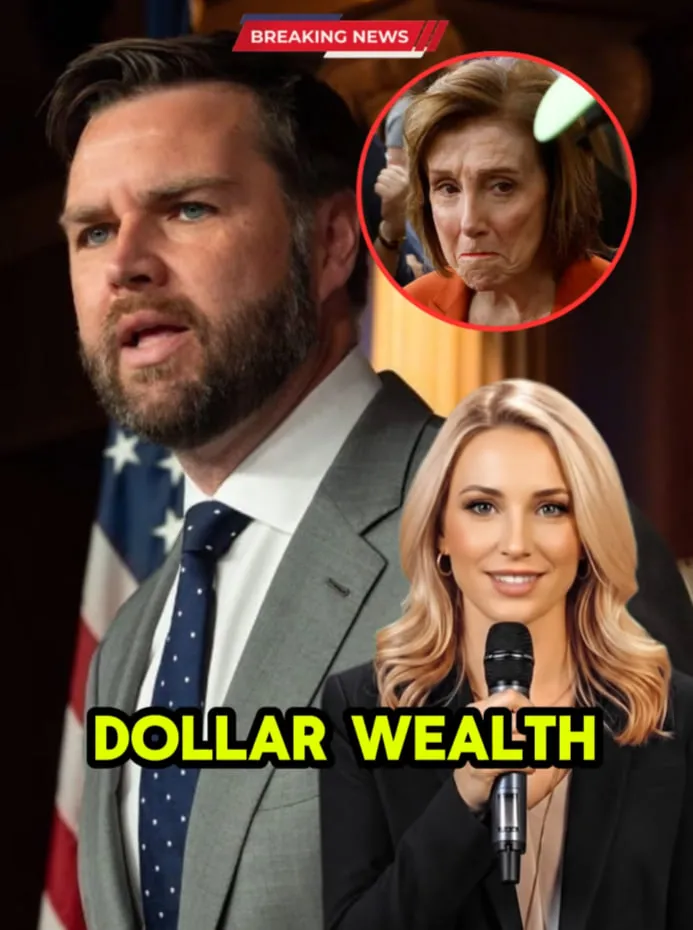
Vance focused first on Pelosi’s finances, noting estimates that place her family’s net worth at roughly $120 million after decades in public office. He contrasted that figure with congressional salaries over the same period and questioned whether lawmakers should be permitted to trade individual stocks while shaping federal policy.
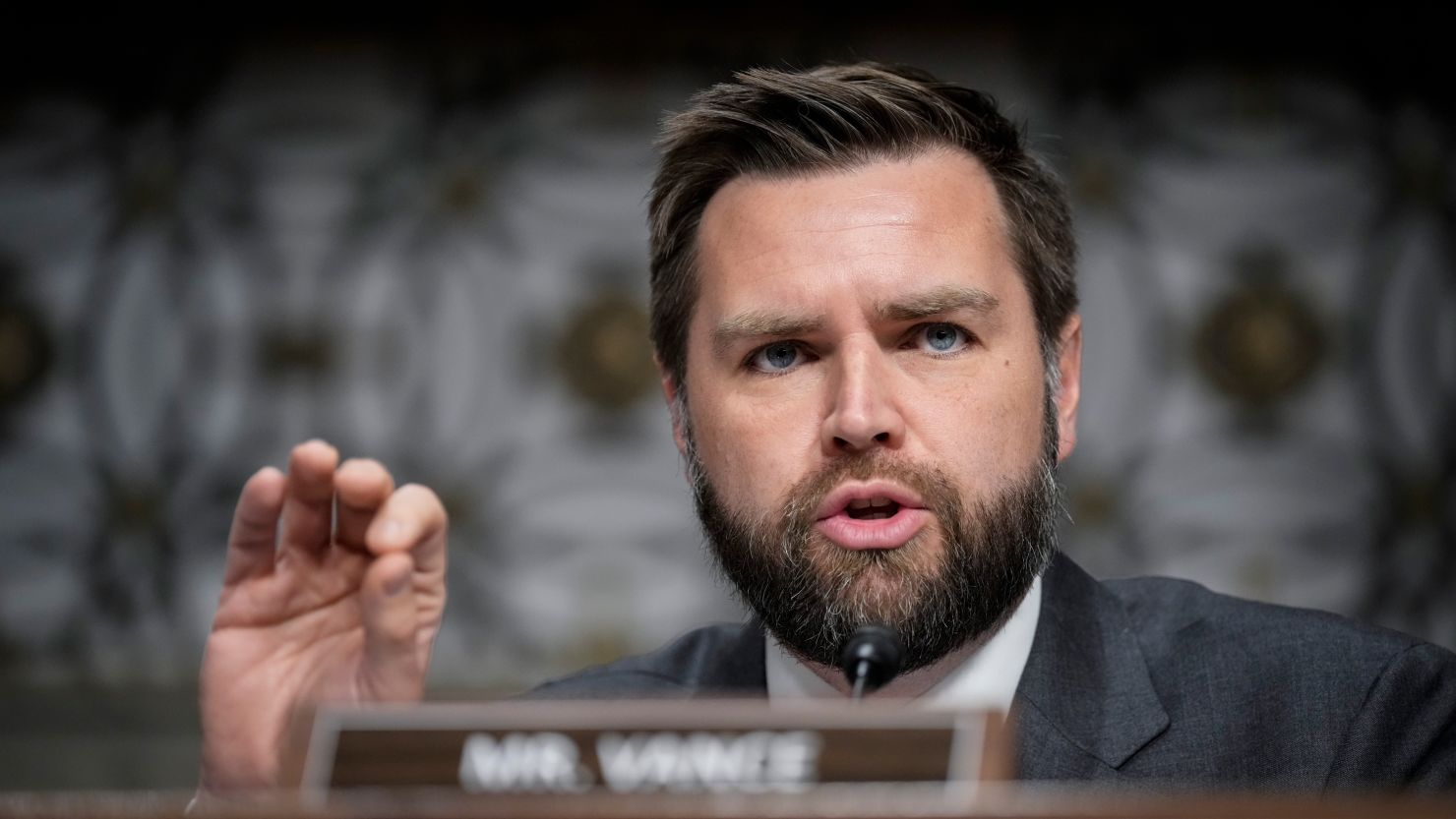
He cited examples of trades made by Pelosi’s husband, Paul Pelosi, including options activity in technology and electric vehicle companies that preceded major legislative or regulatory developments affecting those industries.
Vance stopped short of alleging illegality but argued that such transactions highlight what he called a “conflict-of-interest culture” in Washington. Pelosi responded that her husband manages his own investments and that she has consistently supported disclosure requirements.
January 6 and Capitol Security
The interview grew more tense when Vance raised questions about Pelosi’s oversight role on the Capitol Police Board prior to the January 6 attack. Referencing timelines and internal communications, he argued that responsibility for security failures had not been adequately examined.
Pelosi reiterated her long-standing position that the attack was the result of intelligence failures and actions taken by then-President Donald Trump, rejecting claims that she personally blocked National Guard deployment.
Pandemic-Era Criticism
Vance also revisited controversies from the COVID-19 period, including Pelosi’s visit to a San Francisco hair salon during lockdowns and public reporting on her lifestyle, arguing that such incidents fueled public distrust during a time of widespread economic hardship.
Pelosi defended her actions, saying she followed guidance as it was presented to her and emphasizing her legislative work on pandemic relief.
San Francisco and Leadership Legacy
Toward the end of the interview, Vance cited crime, homelessness, and drug overdose statistics in San Francisco, arguing that the city’s struggles reflect broader governance failures during Pelosi’s tenure as its most prominent political figure.
Pelosi countered that local challenges are complex and cannot be attributed to a single federal lawmaker, noting recent investments aimed at addressing housing and public safety.
Aftermath
Following the broadcast, Pelosi confirmed she will not seek a leadership role in the next Congress, though she did not directly link the decision to the interview.
The exchange has intensified debate over congressional ethics, stock trading rules, and accountability surrounding January 6, while underscoring generational and ideological divides within national politics.