Sen. Slotkin RIPS Pete Hegseth Over Troops Arresting Protesters, Demands His Resignation!

In the United States, the principle of civilian control over the military is not just a tradition—it is a cornerstone of democracy. The deployment of armed forces within domestic borders, especially against unarmed protesters, has always been fraught with constitutional, ethical, and political complexities. Recent congressional hearings, as captured in the transcript above, have reignited a fierce debate about the proper role of the military in civil society and the limits of executive power.
This article analyzes the heated exchanges between lawmakers and defense officials over the use of military force in response to domestic unrest. It examines the legal and historical context of such deployments, the political motivations behind them, and their impact on public trust and democratic norms. By dissecting the arguments presented in Congress, the article aims to shed light on a fundamental question: How far can a government go in the name of order before it risks undermining the very freedoms it claims to protect?
The Congressional Clash: Accountability and Executive Authority
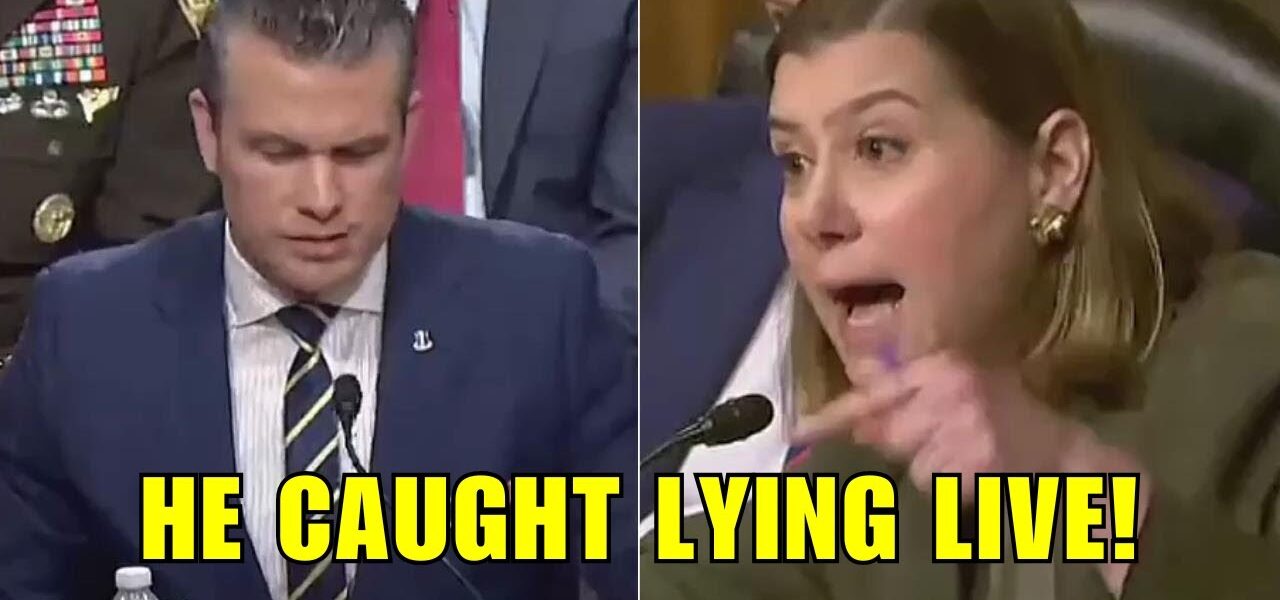
The transcript opens with a direct and unsettling question: “Have you given the order to shoot at unarmed protesters in any way?” The senator’s insistence on a clear answer—“It’s a yes or no thing. Authority.”—reflects the gravity of the issue. At stake is not merely policy, but the line between lawful government action and unconstitutional abuse of power.
The defense secretary’s response is evasive, emphasizing the theoretical nature of the question and repeatedly denying any authorization for the military to arrest or detain citizens, except in cases of self-defense. “There’s no arresting going on and you know this better than you’re trying to play political games. There’s no arrest of US personnel of the US military against members of the protest.” Yet, the senator remains unconvinced, citing previous instances where orders were allegedly given to use force against protesters, including a claim that a predecessor was asked to “shoot at their legs.”
This exchange is emblematic of the broader tension between Congress and the executive branch. Lawmakers, tasked with oversight, demand transparency and accountability. Executive officials, meanwhile, often invoke national security and law enforcement prerogatives to justify their actions. The result is a standoff that tests the resilience of democratic institutions.
Historical Context: The Posse Comitatus Act and the Limits of Military Power
To understand the stakes, it is essential to consider the legal framework governing military involvement in domestic affairs. The Posse Comitatus Act, passed in 1878, prohibits the use of the Army and Air Force to execute domestic laws unless expressly authorized by Congress or the Constitution. The National Guard, when under state control, can be deployed by governors for law enforcement purposes, but federalization of the Guard or deployment of active-duty troops is subject to stricter limitations.
Despite these safeguards, history offers several examples of military intervention in domestic unrest. The 1965 deployment of federal troops to enforce civil rights in the South, the use of the National Guard during the 1992 Los Angeles riots, and more recently, discussions about using the military to quell protests in major cities—all illustrate the delicate balance between maintaining order and respecting civil liberties.
The transcript references the deployment of 4,700 troops to Los Angeles “against the wishes of the governor,” marking the first such action since 1965. The senator’s concern is clear: “If you love your country and you want an a-political military, then it should be the last resort, not the first resort in our country to use them.”
Political Motivations: Law and Order Versus Civil Liberties
The decision to deploy the military domestically is never purely administrative—it is deeply political. In times of unrest, presidents may feel pressure to project strength and restore order, especially when facing criticism from opponents or the media. However, such actions risk politicizing the military and eroding its reputation as a neutral defender of the Constitution.
The transcript reveals sharp partisan divisions. The senator accuses the secretary of making a “political decision,” warning that “we don’t trust that you’re using the best interests of the military certainly and of democracy on top of that.” The defense secretary, meanwhile, frames the deployment as necessary to “protect law enforcement” and “defend the homeland,” emphasizing the lawfulness of the orders.
This clash reflects a broader debate in American society: Should the government prioritize security and order, even at the expense of individual rights? Or must it always err on the side of liberty, even if doing so risks chaos? The answer is not simple, and the stakes are high.
The Ethics of Force: Lethal Orders and Civilian Trust
Perhaps the most disturbing aspect of the hearing is the repeated question about the use of lethal force. “Have you given the order that they can use lethal force against honor? I want the answer to be no. Please tell me it’s no.” The defense secretary hedges, warning against believing everything written in books “except for the Bible,” but ultimately denies any such order.
The mere suggestion that military leaders might authorize shooting at unarmed protesters is a chilling reminder of what is at stake. In a democracy, the military is supposed to protect citizens, not threaten them. The senator’s emotional appeal—“I love the military. I served alongside my whole life. So, I’m worried about you tainting it.”—underscores the deep trust that Americans place in the armed forces, and the profound consequences of betraying that trust.
Public confidence in the military is a fragile asset. When citizens believe that the armed forces are being used for political purposes, or that their rights may be violated, the legitimacy of both the military and the government is called into question.
Civilian Oversight: Congress’s Role and Responsibility
At the heart of the debate is the principle of civilian oversight. Congress is empowered to hold the executive branch accountable, to investigate allegations of abuse, and to ensure that the military operates within constitutional boundaries.
The transcript demonstrates the challenges of this oversight. Senators press for clear answers, demanding to know whether the military has been authorized to detain or arrest protesters, conduct surveillance, or use cyber tools against citizens. The defense secretary, in turn, insists that all orders are public and lawful, but resists providing direct answers.
This dynamic is not new. Throughout American history, Congress has struggled to assert its authority over the executive, especially in matters of national security. The tension is built into the system, but it is essential for maintaining the balance of power.
The Broader Impact: Public Perception and Democratic Norms
The deployment of the military against protesters has consequences far beyond the immediate crisis. It shapes public perception, influences future policy, and sets precedents that may be invoked in less justifiable circumstances.
When citizens see armed troops in their cities, especially in response to protests, they may feel intimidated or alienated from their own government. The senator warns, “All of my colleagues across the aisle, especially the ones that served, should want an a-political military and not want citizens to be scared of their own military.”
Moreover, the normalization of military involvement in domestic affairs risks eroding democratic norms. Once the line between civil and military authority is blurred, it becomes easier for future administrations to justify similar actions, even in less dire circumstances.
The Dilemma of Dual Loyalty: Military Obedience Versus Constitutional Duty
Military leaders face a unique dilemma in such situations. On the one hand, they are sworn to obey lawful orders from the president, who is the commander-in-chief. On the other, they are bound by the Constitution and must refuse orders that violate its principles.
The transcript references the former Secretary of Defense’s refusal to carry out an order to deploy troops against protesters. “He had more guts and balls than you because he said, ‘I’m not going to send in the uniform military to do something that I know in my gut isn’t right.’ He was asked to shoot at their legs. He wrote that in his book. That’s not hearsay.”
This anecdote highlights the importance of individual integrity and moral courage in preserving democratic values. Military leaders must be prepared to resist unlawful or unethical orders, even at personal or professional risk.
The Role of State and Local Governments: Federalism Under Strain
Another key issue is the relationship between federal and state authority. The deployment of federal troops or the National Guard without the consent of governors raises serious questions about federalism and the autonomy of state governments.
The transcript notes that the deployment to Los Angeles occurred “against the advice and opposition of the governor, the mayor, and the chief of police.” Historically, governors have had primary responsibility for maintaining order within their states, and federal intervention has been reserved for extreme cases.
When the federal government overrides state objections, it risks undermining the delicate balance of power that defines American federalism. Such actions may be justified in emergencies, but they must be carefully scrutinized to prevent abuse.
Surveillance and Cyber Tools: The New Frontier of Domestic Control
The hearing also touches on the use of military cyber tools and drone surveillance in monitoring protests. “Have you authorized US military cyber tools to investigate people participating in these protests? Yes or no?” The defense secretary denies any such authorization, but the question itself reflects growing concerns about the militarization of intelligence and surveillance capabilities.
In an era of advanced technology, the potential for abuse is significant. Military-grade tools, designed for foreign adversaries, may be repurposed for domestic use, raising questions about privacy, due process, and the scope of government authority.
Congress must remain vigilant in overseeing these capabilities, ensuring that they are not used to infringe upon the rights of citizens.
The Political Fallout: Partisan Divisions and Public Debate
The issue of military deployment against protesters is deeply polarizing. Partisan divisions are evident throughout the transcript, with lawmakers accusing each other of political gamesmanship and questioning each other’s motives.
Such debates are healthy in a democracy, but they also risk obscuring the underlying issues. The focus must remain on the constitutional principles at stake, rather than on scoring political points.
Ultimately, the legitimacy of government action depends on public confidence. When citizens believe that decisions are motivated by politics rather than principle, trust in institutions erodes.
Lessons from History: The Danger of Precedent
History offers sobering lessons about the dangers of unchecked executive power. The use of the military to suppress dissent has often been a prelude to broader abuses, both in the United States and abroad.
The transcript’s reference to “the first time since 1965” that troops were deployed without state consent is a reminder that such actions are rare for a reason. They represent a break with established norms, and their justification must be scrutinized.
As Americans grapple with the challenges of civil unrest, it is essential to remember the lessons of the past and to guard against the temptation to sacrifice liberty for security.
Moving Forward: Safeguarding Democracy
The congressional hearing captured in the transcript is not just a moment of political drama—it is a test of the nation’s commitment to democratic principles. The questions raised about military deployment, executive authority, and civilian oversight are fundamental to the health of the republic.
To safeguard democracy, Congress must continue to exercise robust oversight, demand transparency, and hold officials accountable. Military leaders must reaffirm their commitment to the Constitution, even in the face of pressure. And citizens must remain vigilant, insisting that their rights are respected and their voices heard.
The deployment of the military against protesters should always be a last resort, justified only by the most compelling circumstances. Anything less risks undermining the freedoms that define America.
Conclusion
The debate over military deployment against protesters is a microcosm of the broader struggle to balance order and liberty in American democracy. It raises profound questions about the limits of executive power, the role of civilian oversight, and the ethical responsibilities of military leaders.
As the transcript reveals, these issues are not theoretical—they are immediate and urgent. In times of crisis, the temptation to use force is strong, but the cost to democratic norms and public trust can be devastating.
Ultimately, the strength of American democracy lies not in its ability to suppress dissent, but in its capacity to accommodate it. The armed forces are a vital institution, but their loyalty must be to the Constitution above all else.
As Congress continues to grapple with these challenges, the stakes could not be higher. The future of the republic depends on the willingness of its leaders—and its citizens—to defend the principles of liberty, accountability, and the rule of law.