
Introduction
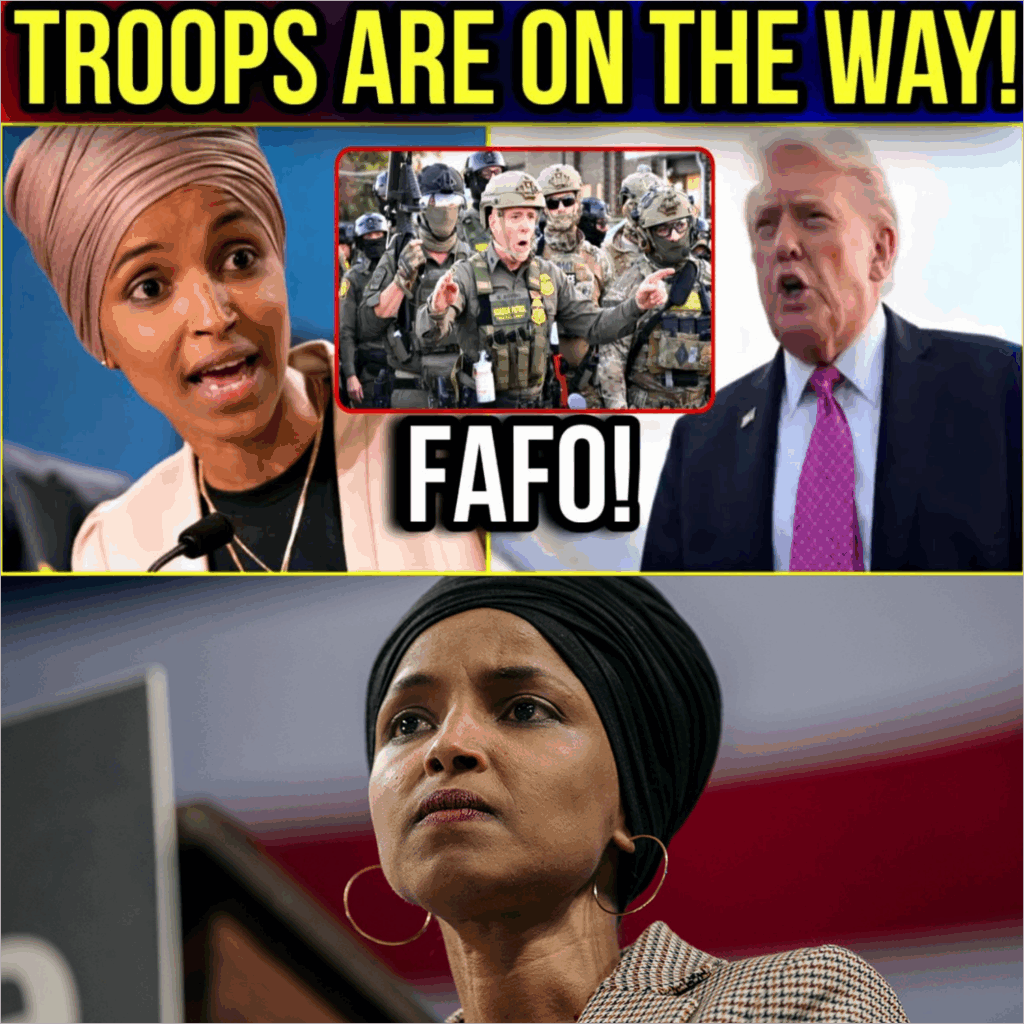
The recent announcements from President Donald Trump regarding the Somali community in Minnesota have sent shockwaves through the political landscape. With claims that funds linked to fraudulent activities are being funneled to terrorist organizations like al-Shabaab, the implications of these statements have raised substantial concerns. Congresswoman Ilhan Omar, a prominent voice for the Somali community, has expressed her alarm and frustration over the situation. This article explores the complexities of the claims made, the impact on the Somali community, and the broader implications for immigration policy in the United States.
The Allegations
In a bold statement, Trump accused the Somali community of being involved in fraudulent activities that support terrorism. He claimed that Minnesota taxpayers are unknowingly funding al-Shabaab through fraudulent autism claims. According to Trump, this scheme involves money traders who facilitate the transfer of funds back to Somalia, where they allegedly end up in the hands of terrorist groups. These accusations have ignited a fierce debate about the Somali community’s role in Minnesota and the validity of the claims made by the President.
The Somali Community in Minnesota
Minnesota is home to one of the largest Somali populations in the United States. Over the years, the community has established itself as a vibrant part of Minnesota’s cultural fabric, contributing to the local economy and enriching the state’s diversity. However, the Somali community has also faced challenges, including language barriers, economic hardship, and discrimination.
Many Somalis in Minnesota rely on Temporary Protected Status (TPS), which allows them to live and work in the U.S. without the fear of deportation. This status was granted due to the ongoing civil unrest and violence in Somalia. The recent decision to terminate TPS for Somalis has raised concerns about the future of many families and individuals who have built their lives in Minnesota.
Ilhan Omar’s Response
Congresswoman Ilhan Omar has been vocal in her opposition to Trump’s claims. She argues that the President is using fear-mongering tactics to target the Somali community and distract from larger issues facing the nation. Omar emphasizes that the majority of Somalis in Minnesota are law-abiding citizens who contribute positively to society. In her speeches, she has called out the misinformation surrounding the Somali community and urged for a more nuanced understanding of their experiences.
Omar’s response to Trump’s allegations reflects her commitment to advocating for her constituents and challenging the narrative that paints the Somali community in a negative light. She has consistently highlighted the importance of recognizing the contributions of immigrants to American society and the need for policies that support, rather than marginalize, these communities.
The Role of Media and Misinformation
The media plays a crucial role in shaping public perceptions of immigrant communities. Reports of Somali gangs and criminal activity have fueled negative stereotypes and misconceptions about the Somali population. While there have been instances of crime, it is essential to recognize that these issues are not unique to the Somali community and should not be used to justify sweeping policies that affect innocent individuals.
The portrayal of Somalis in the media often overlooks the positive contributions they make to society. From entrepreneurship to community service, many Somalis are working tirelessly to improve their neighborhoods and support their families. The focus on crime and gang activity detracts from the positive narratives that deserve attention.